What makes a pair of scissors good for quilting?
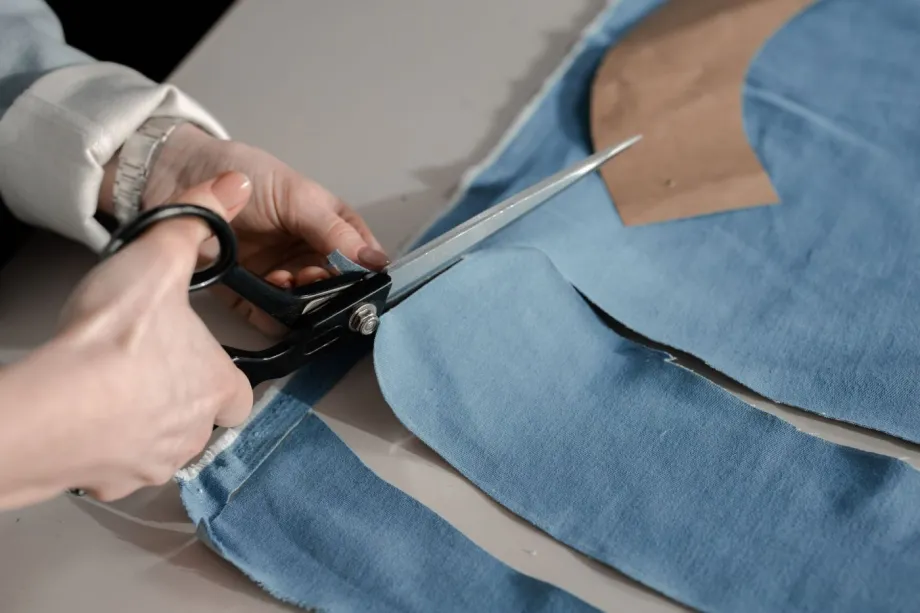
Good quilting scissors cut through multiple layers of cotton and batting without chewing the edge or forcing you to saw back and forth. The blade must stay sharp over hundreds of cuts, because a dull tip snags threads and pulls the weave out of square. A length of 8 to 10 inches is the practical range for most quilters: long enough to follow a ruler on a cutting mat, short enough to control around curves when you trim blocks.
The handle matters just as much as the steel. A bent handle lets the lower blade ride flat on the table while your wrist stays in a neutral position, which reduces fatigue during long cutting sessions. An offset design or a spring-loaded mechanism helps if you cut for more than an hour at a time. The best scissors feel balanced in your hand, with a pivot that opens and closes smoothly.
Which blade type works best for cutting cotton and batting?
A plain edge blade cuts quilting cotton best. It makes a clean, straight cut without chewing the fabric, which matters when you are trimming seam allowances or slicing through several layers at once. High-carbon stainless steel holds its sharpness longer than standard stainless steel and glides through tightly woven cotton with less effort.
Micro-serrated blades grip slippery materials like polyester or wool batting. The tiny teeth prevent the fabric from shifting, so they are useful when cutting batting, especially polyester or wool blends that tend to slide under a smooth blade. Some quilters keep a dedicated micro-serrated pair just for batting and switch to plain edge scissors for piecing.
Titanium-coated blades resist adhesives and lint buildup. The coating reduces friction and protects against corrosion, but it does not make the blade sharper. A titanium pair works well if you often cut fabric with fusible web or spray-basted layers, because the sticky residue wipes off more easily than from an uncoated blade.
How do handle shapes affect comfort and control?
A handle that matches your grip reduces wrist strain during long sessions of trimming blocks or squaring up a quilt. Straight handles with symmetrical loops fit a standard overhand grip and work for short, precise snips. Their flat alignment keeps the blades parallel to the table, helping you cut along a marked line without lifting the fabric.
Offset handles tilt the lower loop downward so your hand stays above the work surface while the blades lie flat. This angle lets you slide the bottom blade along the cutting mat without twisting your wrist, making it the preferred shape for continuous cuts through multiple layers of cotton. Spring-loaded designs open the blades automatically after each cut, reducing the repetitive motion of opening your hand. They can relieve discomfort if you have arthritis or tendinitis. The trade-off is less blade contact at the tip, so the very end of the cut may feel slightly less crisp than with a traditional pivot.
What are the most trusted brands among quilters?
Several brands are known among quilters for consistent quality and long-term durability. Kai, Gingher, Fiskars, and LDH Scissors are the names you will hear most often in quilting groups and at retreats. Each company takes a different approach to steel, handle design, and warranty, so the right choice depends on your hands and how you work.
- Kai is known for exceptionally smooth action right out of the box. Their high-carbon stainless steel blades hold an edge through many hours of cutting cotton, and the lightweight handles reduce hand fatigue during marathon piecing sessions. Kai offers a limited lifetime warranty on most of its models.
- Gingher scissors are made from hot-forged, nickel-plated carbon steel that can be sharpened repeatedly over decades of use. The knife-edge grind gives a clean, precise cut through multiple fabric layers. Gingher stands behind its work with a lifetime warranty, and the classic bent-handle dressmaker shears are a staple in many sewing rooms.
- Fiskars offers the widest range of price points, from entry-level models to the premium RazorEdge series. Their hardened stainless steel blades need less frequent sharpening than many competitors, and the ergonomic handles with Softgrip cushioning suit quilters with arthritis or grip issues. Warranty terms vary by model line.
- LDH Scissors is a smaller family-run maker that has built a loyal following for its hand-sharpened, mid-weight shears. The blade pivot stays tight over time, which quilters value when trimming blocks to exact seam allowances. LDH provides a lifetime warranty and personal customer service that larger brands rarely offer.
All four brands produce shears that can last a career if maintained properly. The steel quality and warranty length are similar at the top end, so the deciding factor is often how a handle fits your hand.
How do you keep quilting scissors sharp and clean?
Fabric dust and the natural oils from your hands build up on the blades after every cutting session. Wipe the blades with a dry, soft cloth before you put the scissors away. For a deeper clean, use a little rubbing alcohol on a cotton pad to remove sticky residue from fusible web or spray starch, then dry the blades immediately to prevent any rust.
Store your shears in a dry fabric sleeve or a dedicated slot in your tool roll. Leaving them loose in a drawer lets the edges knock against other tools, which dulls them faster than cutting fabric ever will. If you work in a humid room, a silica gel packet tucked into the storage pouch helps keep moisture away from the steel.
When the scissors start to chew the fabric instead of slicing cleanly, it is time for professional sharpening. Avoid pull-through home sharpeners. Their fixed angle rarely matches the factory bevel of quality shears, and they can take off more metal than needed. A professional sharpener regrinds the edge to the correct angle and can often restore scissors that feel completely blunt. Here is a simple routine that keeps your quilting scissors in cutting shape:
- Wipe both blades with a dry cloth after each use to remove lint and skin oils.
- Clean sticky residue with rubbing alcohol and a cotton pad, then dry the steel right away.
- Apply a tiny drop of sewing machine oil at the pivot screw every few months to keep the action smooth.
- Store the scissors closed in a dry fabric sleeve, away from other metal tools.
- Have them sharpened by a professional service once the blades stop cutting cleanly at the very tip.
- Never use the same pair to cut paper or plastic, because wood fibers and plastic fillers dull the edge quickly.
When is it worth buying a dedicated pair of quilting scissors?
General craft scissors have a blunt bevel that crushes fibers rather than slicing them cleanly. Scissors made specifically for fabric use a sharper angle on the blade edge, often with a micro-serrated lower blade to grip the material and prevent it from sliding. The result is a straight cut without frayed edges, which matters most when you are piecing small blocks with a quarter-inch seam allowance.
You need a dedicated pair when you cut fabric every week and notice your cuts drifting off the line. A second, cheaper pair for paper templates and stabilizer keeps the good shears sharp for fabric alone. Paper dulls a fine edge quickly, and even a few sheets can force you to sharpen months sooner than you would otherwise.
Frequently asked questions
Can I use the same scissors for paper and fabric?
Paper dulls blades much faster than fabric does. Many quilters keep one pair for fabric only and a cheaper pair for cutting templates, foundation papers, or stabilizer.
How often should I sharpen my quilting scissors?
With regular use, a professional sharpening once or twice a year is usually enough. If you notice the tips no longer meet cleanly or the blades push fabric instead of slicing it, it is time for a tune-up.
Are spring-loaded scissors a good choice for quilters?
They can help if you have arthritis or hand fatigue because the spring opens the blades for you. The trade-off is slightly less control on very precise curves, so some quilters use them for long straight cuts and switch to traditional shears for detailed trimming.